A laser cleaning machine is a long term asset, so the decision deserves more than a quick look at wattage. Before you buy a laser cleaning machine, review your main application, equipment requirements, portability, safety documentation, operator training, and support. Each check helps the machine fit the work your team actually does.
What Should I Check Before Buying a Laser Cleaning Machine?
Start with your main cleaning application. Then review equipment specifications, portability, safety documentation, training requirements, and access to parts and support.
Is a Higher Wattage Laser Cleaner Always Better?
No. Wattage alone does not establish suitability. Ask the supplier to demonstrate performance on your material and coating.
Can I Try Laser Cleaning Before Buying a Machine?
Ask whether a sample test or rental is available for your application before committing to a purchase.
Identify the contaminants you need to remove and request a demonstration on representative samples. Assess whether the machine suits your intended application before purchasing. A poor fit can mean slow progress on heavy coatings, or capital tied up in capacity the team rarely uses. This list covers the laser cleaning machine features and practical questions that matter most for industrial laser cleaner selection. For a full walkthrough, see our buyer’s guide on how to compare laser cleaning machines.
1. Confirm Your Primary Cleaning Application
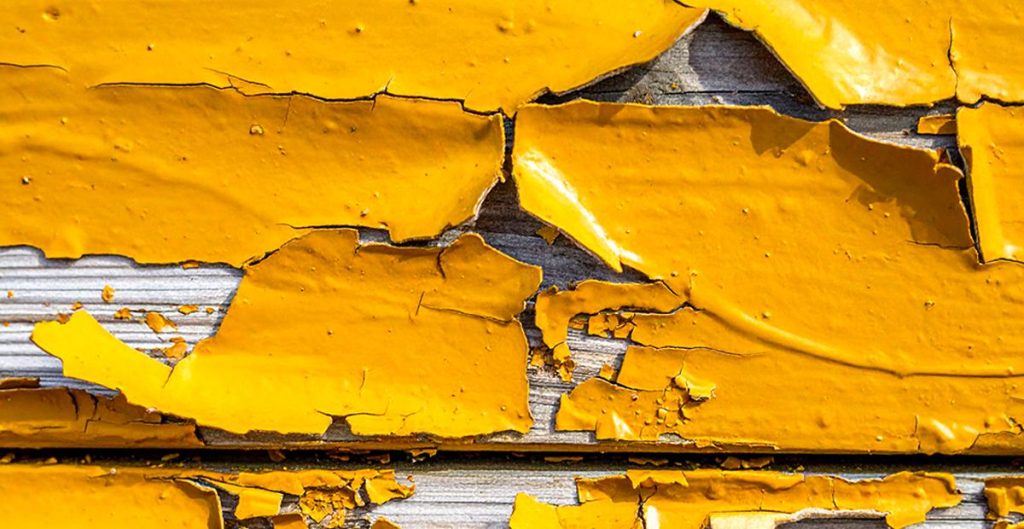
Start with the job, not the machine. List the contaminants your team removes most often. Include representative examples, such as rust, paint, grease, or weld discolouration, when discussing sample testing with the supplier.
Next, note the base material and the finish you need afterward. Surface preparation before coating calls for consistent, controlled results. For restoration work, request sample testing to assess cleaning results and the condition of the underlying surface. If rust drives the purchase, review how laser rust removal works on metal surfaces first. If coatings are the main concern, see how laser cleaning machines handle paint removal.
Have heavily corroded or pitted parts assessed to determine whether cleaning, repair, or replacement is appropriate.
2. Match Power Rating to Your Workload
Wattage matters, but it should not drive the decision on its own. Ask Titan Laser Inc. which available machine suits your material, contaminants, cleaning area, and operating requirements.
Compare available models using sample results, equipment specifications, site requirements, and supplier guidance. This side by side look at comparing laser cleaning machines for industrial applications shows how to structure that review.
Think about volume as well as difficulty. Tell the supplier how much surface area you expect to clean and how often you will use the machine. Assess demonstrated cleaning performance alongside purchase costs and your expected workload.
3. Review Portability and Site Access
Where will the work happen? A fabrication shop with a fixed cleaning area has different needs than a contractor moving between job sites.
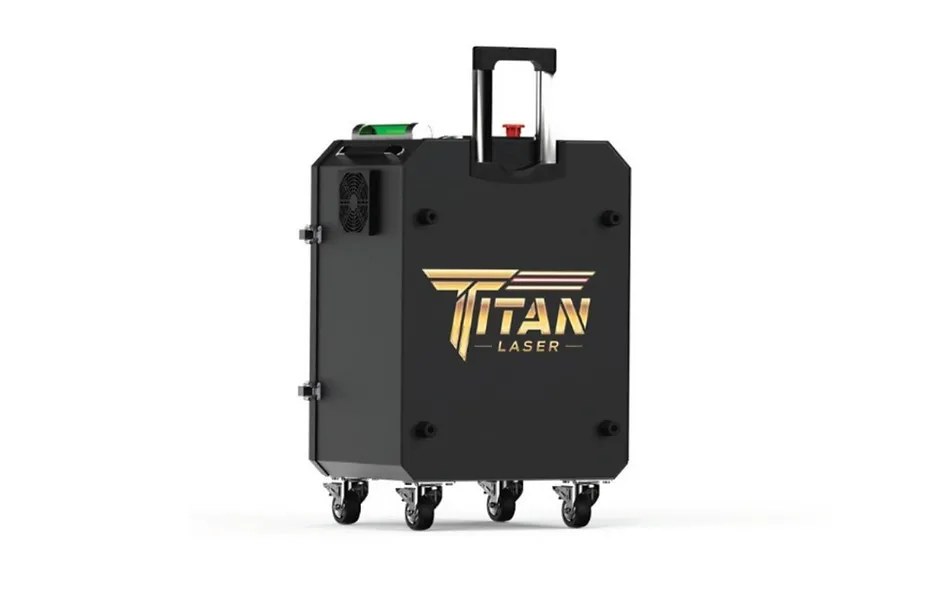
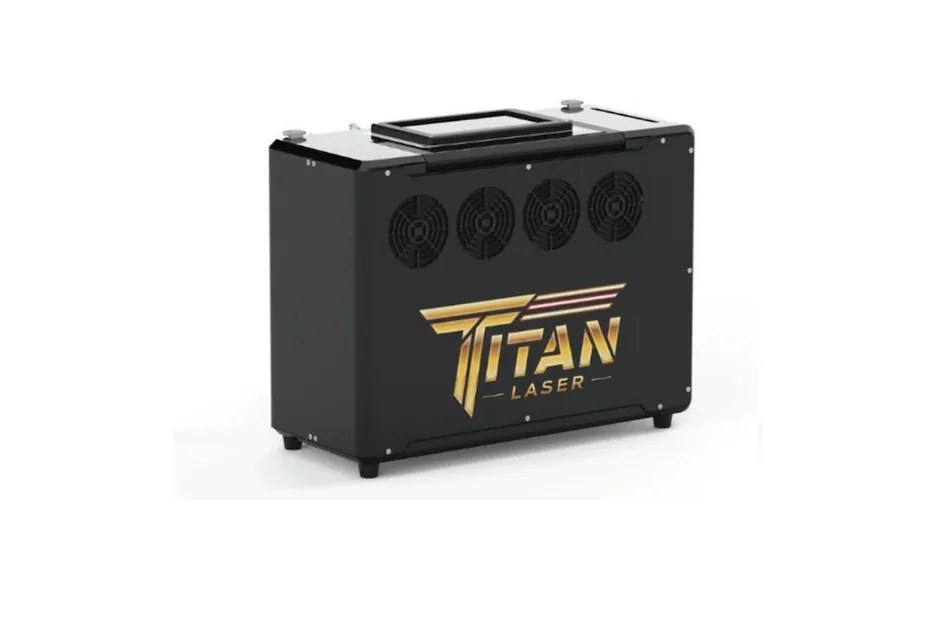
Confirm machine dimensions, weight, handling arrangements, and access requirements with the supplier before purchase.
Check doorways, stairs, lifts, and the power supply at each location. Review ventilation and extraction requirements using the operating documentation and a workplace safety assessment. Confirm that the proposed machine can reach the intended work area.
4. Review Machine Documentation and Safety Requirements
Request documentation for the specific machine and review the requirements that apply to your workplace and intended use.
Keep equipment documentation, operating manuals, and safety guidance on file. Your safety committee, insurer, or customers may ask to see them.
Review the documentation with those responsible for equipment purchasing, operation, and workplace safety.
5. Confirm Operator Training and Safety Requirements
Laser cleaning is a controlled process, and controlled processes depend on trained people. Operators need to understand machine settings, beam safety, protective eyewear, and safe work zones.
Plan the setup before delivery. Review workspace access, ventilation, a stable power supply, and protective equipment. Decide who will operate the machine and who will supervise.
Ask Titan Laser Inc. what operator training is included and whether it covers your intended application. Confirm the training scope, operating instructions, and supervision arrangements before assigning operators.
6. Ask About Parts and Support
Support matters most after delivery, when the first real questions come up. Before you buy, ask how technical support works, who to call when something goes wrong, and how replacement parts are sourced.
Ask which consumables and maintenance tasks the proposed machine requires. Confirm the process for reporting faults, obtaining replacement parts, and arranging repairs. Ask Titan Laser Inc. to confirm available support channels, service hours, and troubleshooting assistance.
Not ready to commit? Ask about laser machine rental availability, service areas, and suitability for a trial on your surfaces. The decision guide for machines, rentals, and services reviews purchasing, renting, and using a cleaning service.
Contact the Titan Laser Inc. team to discuss machine availability, delivery, rental options, and your cleaning requirements.
Which Wattage Should a First Time Buyer Choose?
Choose based on sample testing, material condition, contaminants, workload, and site requirements. Ask the supplier to explain its recommendation.
What Documentation Should I Request Before Purchase?
Request operating instructions, equipment specifications, safety guidance, and supporting documents for any supplier claims.
Does Titan Laser Inc. Provide Training After Purchase?
Ask Titan Laser Inc. to confirm the training and technical support included with the proposed machine.
Can I Rent a Machine Before I Buy?
Contact Titan Laser Inc. to confirm rental availability, location coverage, and terms before planning a trial.