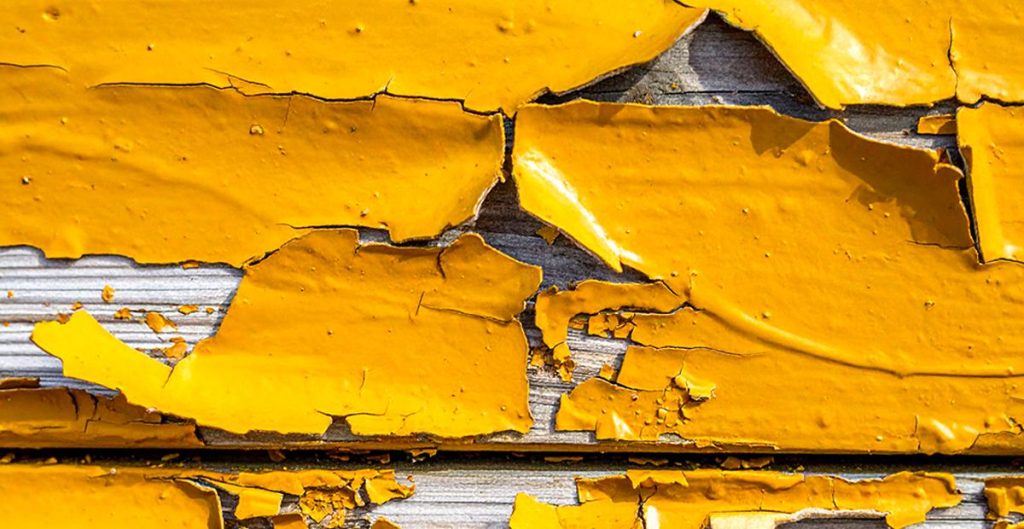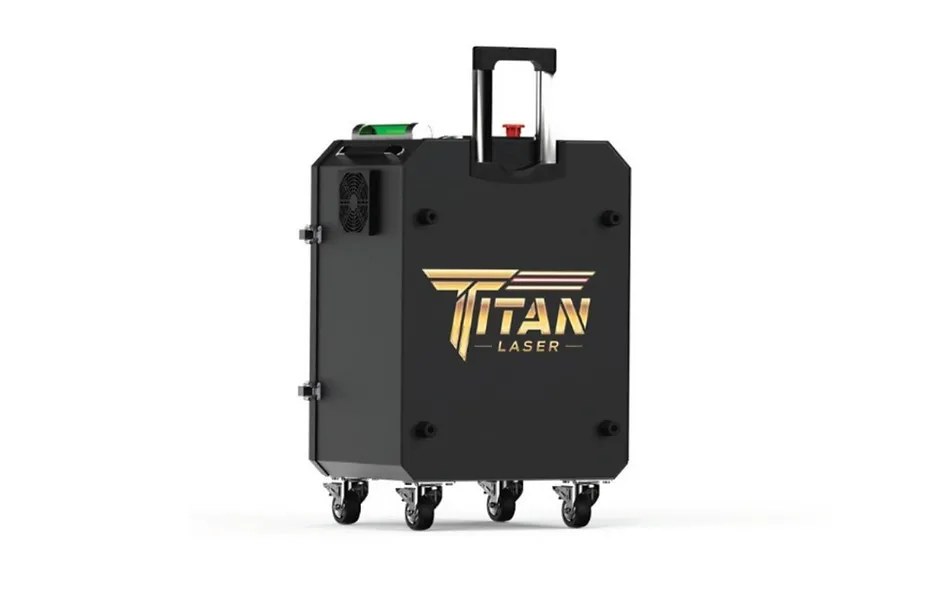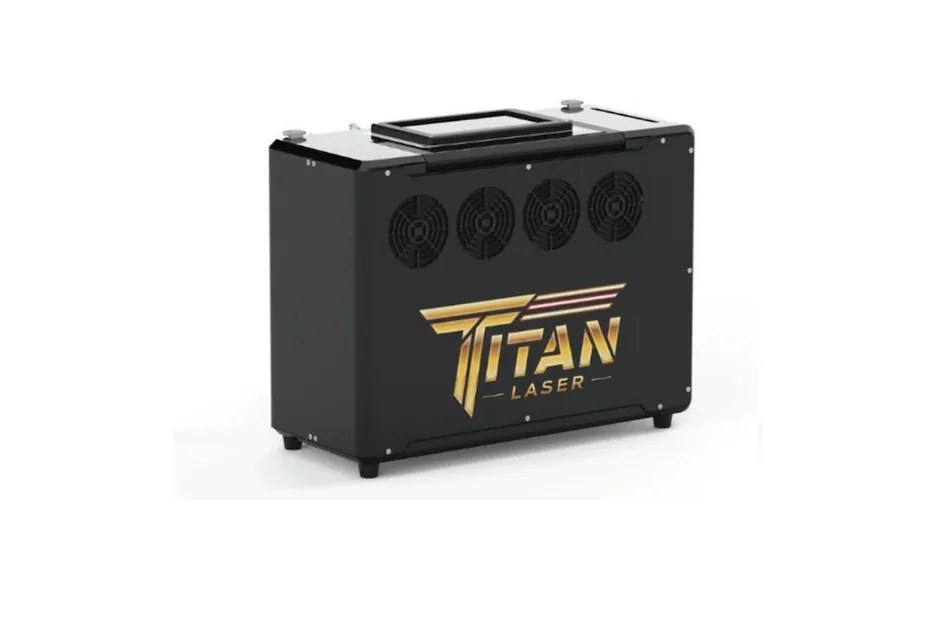

Stripping paint from parts, structures, and equipment involves planning, setup, and cleanup, whatever the method. A laser paint removal machine uses laser energy to remove coatings. Test representative samples to assess removal results and surface condition.
Can a Laser Remove Paint Without Damaging Metal?
Surface protection depends on the material, coating, equipment, and settings. Request a demonstration to assess the underlying metal after cleaning.
What Types of Coatings Can a Laser Remove?
Ask the supplier to test the specific paint or coating on representative samples before recommending equipment.
For maintenance managers, fabricators, and contractors exploring industrial laser cleaning, the questions are practical. Which surfaces suit the process? How should equipment be compared? Should the team buy or rent? This guide covers what to assess and what to ask at each stage.
How Lasers Lift Paint and Coatings
A coating removal laser directs focused light at the painted surface. Laser energy interacts with the coating during removal. Ask the supplier to explain the process and demonstrate its suitability for your surface.
The operator adjusts settings such as power, scan pattern, and travel speed during removal. Ask which settings the supplier plans to test and how the results will be recorded.
If the project requires retaining a primer or underlying coating, request a sample test to assess whether selective removal is feasible.
Surfaces That Suit Laser Paint Removal
Assess each material and coating combination before selecting equipment. Request sample testing, particularly for delicate, valuable, or heat sensitive surfaces.
Useful details to share with the supplier include:
- The substrate, such as steel, aluminum, wood, or stone
- The coating type, age, and approximate number of layers
- The finish required for welding, recoating, or restoration
- Whether the part can move or must be cleaned in place
Project requirements to discuss may include tools and moulds, protective paints on steel before welding, production machinery, and bridges or heritage structures. Assess each project separately. Results from another application may not reflect your requirements. This guide to comparing laser cleaning machines for industrial applications shows how to structure demonstrations around your own parts.
Where Removal Accuracy Matters Most
Some projects need coating removed from one zone while nearby areas stay untouched. For targeted removal, ask the supplier to demonstrate control around edges and nearby features.
Accuracy questions are worth raising when:
- Only a weld zone or bonding area needs bare metal
- Paint sits next to machined surfaces, threads, or seals
- Installed equipment is difficult to mask or move
- Historic surfaces must keep their original texture
Assess masking requirements, nearby components, and the condition of the cleaned surface during a demonstration. For teams weighing methods, a guide comparing sandblasting and laser cleaning machines can help frame the discussion. The right method depends on the application.
Comparing Equipment for Coating Removal
Wattage is one specification among several. Coating type, part size, required finish, and site conditions also shape the choice. Compare laser cleaning machines using representative samples. Assess coating removal, surface condition, handling requirements, and site setup. Our buyer’s guide on how to compare laser cleaning machines walks through power, format, and ownership options.
An industrial paint stripping laser should be judged on real work, not a specification sheet alone. Before you buy a laser cleaning machine, ask the supplier to demonstrate it under conditions representative of the intended work. Confirm space, electrical supply, extraction, and safety requirements for each machine being considered.
The guide to choosing the right laser cleaning machine for operations covers further points to review before deciding.
Waste Handling and Site Cleanliness
Removed coating has to go somewhere. Plan how removed coating material will be captured, handled, and disposed of. Confirm extraction and cleanup requirements before work begins.
Identify the coating before removal and have its extraction, handling, and disposal requirements assessed.
Safety planning belongs in the same conversation. Have a qualified laser safety professional assess protective eyewear, extraction, access controls, and operator training requirements. Ask Titan Laser Inc. what operator instruction and safety training are available for the equipment.
Buying or Renting for Paint Projects
The right route depends on how often coatings need removal and who will operate the equipment. Options to discuss include:
- Purchasing a machine for in house use
- Renting a machine for a defined period
- Hiring an on site laser cleaning service
Discuss laser cleaning machine rental or on site laser cleaning service options with Titan Laser Inc., including project suitability, operator arrangements, and availability. If buying is the likely route, review these six checks before buying a laser cleaning machine first.
For a wider comparison of each route, see the decision guide to laser machines, rentals, and services in Canada.
Contact Titan Laser Inc. to discuss your coating, surface, project location, and available purchase, rental, or service options.
Can a Laser Strip One Coating Layer and Leave the Rest?
Selective removal requires testing. Ask the supplier to demonstrate whether the required coating layer can remain intact.
Can a Laser Remove Paint From Wood or Stone?
Request testing on representative samples before considering laser removal from wood or stone. Assess surface condition against the project requirements.
Do Operators Need Training to Run a Laser Paint Removal Machine?
Have a qualified laser safety professional assess operator training, protective eyewear, extraction, and access controls. Ask Titan Laser Inc. what instruction is available.
Where Are Titan Laser Inc. Machines, Rentals, and Services Available?
Contact Titan Laser Inc. to confirm machine delivery options, rental availability, and service coverage for your location.